Your logo is the most visible part of a custom hat. The same logo can look premium or cheap depending on how it is applied. So before you place a bulk order, it helps to understand your custom hat logo options, what each one costs, and which hat styles they suit best.
In this guide, we compare the seven most common logo methods we use at our hat factory in Yiwu, China. You will also find a quick comparison table and a checklist for sending your artwork.
Why your logo method matters
The logo method affects four things:
- Look and feel – raised, flat, textured or printed.
- Durability – how well the logo survives washing, sun and daily wear.
- Detail – how small text, gradients and fine lines will appear.
- Unit cost and MOQ – some methods need setup costs or higher minimums.
Choosing the right method early also saves time in sampling, because you avoid redoing samples later.
1. Flat embroidery
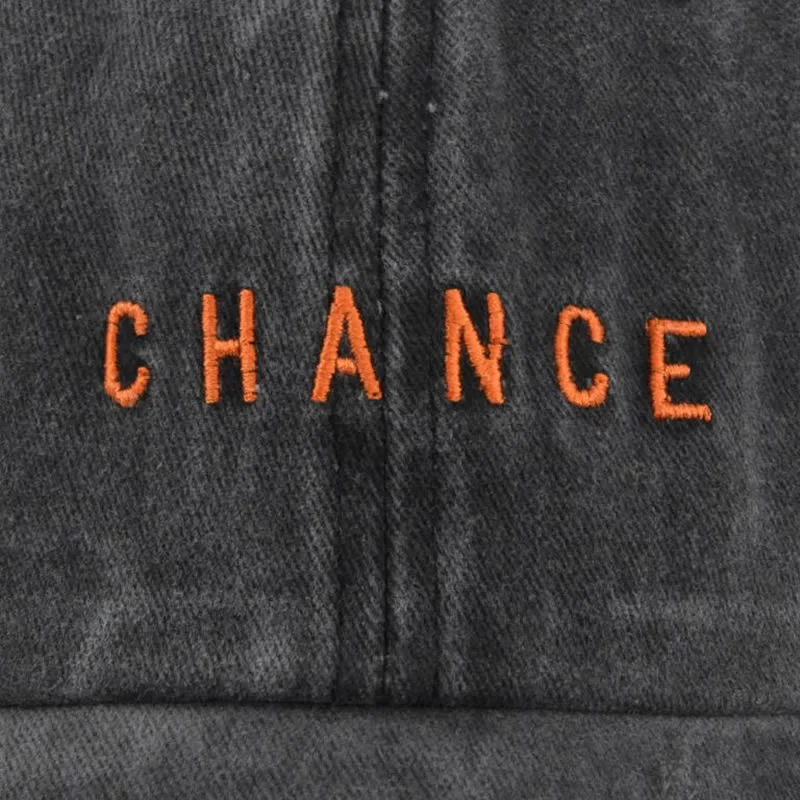
Flat embroidery stitches thread directly onto the hat. It is the classic choice for baseball caps, dad hats and bucket hats.
- Best for: simple logos, text and brand marks.
- Pros: durable, premium look, works on most fabrics.
- Limits: very small text (under about 5 mm) and gradients do not stitch well.
2. 3D (puff) embroidery
3D embroidery stitches over a foam layer, so the logo stands out from the front panel. It is popular for streetwear caps and snapbacks.
- Best for: bold letters and simple shapes on structured caps.
- Pros: strong, eye-catching, high perceived value.
- Limits: not suitable for thin lines, small details or soft unstructured hats.
3. Screen printing
Screen printing pushes ink through a mesh onto the fabric. It works well for large, flat areas of color.
- Best for: one- to three-color logos on cotton or polyester.
- Pros: low unit cost at volume, sharp edges.
- Limits: each color needs a screen, so many colors raise the cost.
4. Heat transfer and sublimation printing
Heat transfer prints your design on film and presses it onto the hat. Sublimation dyes the design into polyester fabric. Both methods handle full-color images, gradients and all-over patterns, like our printed pineapple bucket hat.
- Best for: photos, gradients and complex multi-color artwork.
- Pros: unlimited colors, fine detail.
- Limits: sublimation only works on light-colored polyester; transfers can feel less premium than embroidery.
5. Woven labels and patches
Woven patches are made on a loom with very fine thread, then sewn onto the hat. Embroidered patches are stitched separately and then attached.
- Best for: detailed logos, small text, vintage and outdoor styles.
- Pros: finer detail than direct embroidery, clean edges, works on straw and textured fabrics.
- Limits: adds a sewing step and a little extra cost.
6. Leather, PU and rubber (PVC) patches
Leather or PU patches can be debossed, laser-engraved or printed. Rubber (PVC) patches are molded and flexible.
- Best for: trucker caps, outdoor brands and cowboy straw hats.
- Pros: premium, rugged look; rubber patches are waterproof.
- Limits: rubber patches need a mold, which adds setup cost.
7. Metal badges and custom trims
Metal plates, pins, buckles and custom hat bands add a finishing detail. They are common on fedoras, Panama hats and straw hats, where you cannot embroider directly onto the straw.
- Best for: luxury and fashion collections.
- Pros: high-end look, can be combined with other methods.
- Limits: needs a mold and a higher MOQ for fully custom shapes.
Quick comparison
| Method | Detail | Durability | Cost at volume | Best hat types |
|---|---|---|---|---|
| Flat embroidery | Medium | High | Medium | Baseball caps, bucket hats |
| 3D embroidery | Low | High | Medium–high | Structured caps, snapbacks |
| Screen printing | Medium | Medium | Low | Cotton caps, bucket hats |
| Heat transfer / sublimation | Very high | Medium | Low–medium | Printed and all-over designs |
| Woven / embroidered patch | High | High | Medium | Caps, straw hats, outdoor hats |
| Leather / PU / rubber patch | Medium | Very high | Medium | Trucker caps, cowboy hats |
| Metal badge / trim | High | Very high | High | Fedoras, Panama and straw hats |
How to choose the right logo method
- Start with the hat material. Straw and knitted hats usually need patches or trims; cotton and polyester caps suit embroidery and printing.
- Look at your artwork. Simple logos suit embroidery. Gradients and photos need printing. Tiny text needs a woven patch.
- Think about your buyer. Retail and fashion brands often prefer embroidery or leather patches. Promotional and event hats often use printing to keep costs low.
- Check your budget and quantity. Molds and screens are one-time costs, so they matter more on small orders.
- Combine methods. For example, 3D embroidery on the front, a woven label inside and a small printed logo on the back.
Artwork checklist before you order
- Send vector artwork (AI, EPS, PDF or SVG) if possible.
- Give Pantone color codes for exact color matching.
- Tell us the logo size and position (front, side, back, under-brim).
- Share a reference photo of the look you want.
- Ask for a physical sample before bulk production.
Work with a hat factory that does it all in-house
At Hatazzle, we handle embroidery, printing, patches and trims in our own factory, so we can recommend the best method for your design and budget. If you are still comparing suppliers, read our guide on how to choose a hat manufacturer in China, or learn more about our OEM & ODM hat manufacturing service.
Ready to start? Send us your logo and hat style, and we will reply with logo suggestions, a quote and sample timing.

