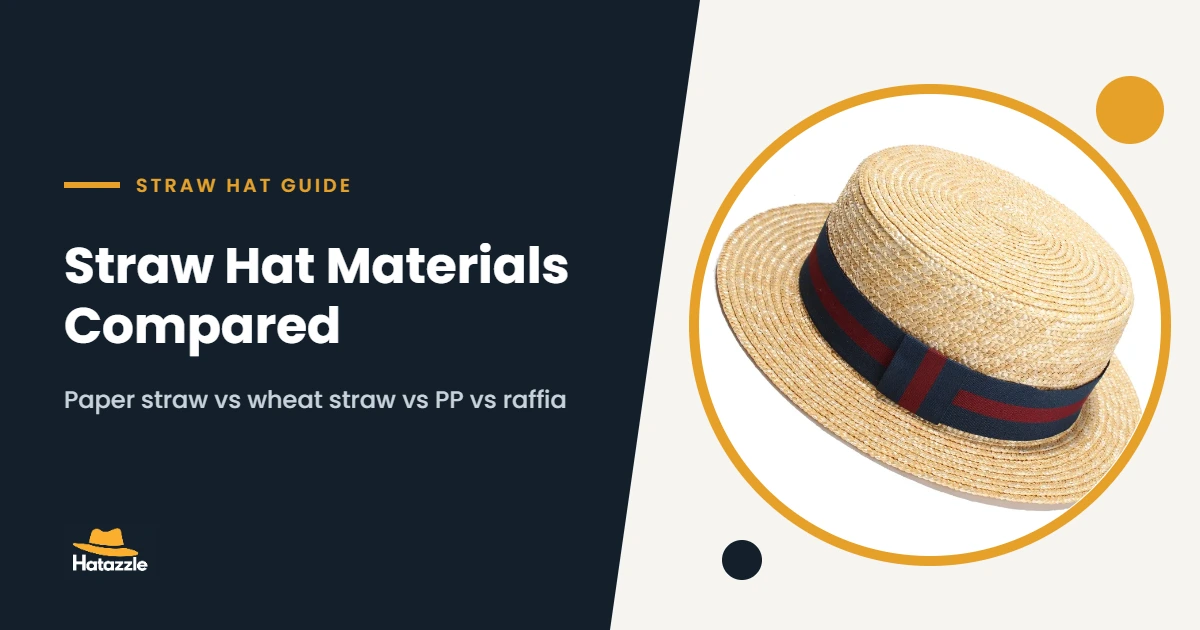
Choosing between straw hat materials is one of the first decisions in any wholesale order, and it shapes everything that follows. The material sets the price, the weight, the look and how well the hat survives shipping. Yet product listings often just say “straw”, as if all straw were the same.
It is not. A paper straw hat and a raffia hat can look similar in a photo, but they feel different in the hand and behave differently in rain, in a suitcase and on a store shelf. Buyers who do not ask about the material often get a surprise when the samples arrive.
This guide compares the four materials buyers ask us about most: paper straw, wheat straw, PP straw and raffia. First, you get a short answer and a side-by-side table. Then each material is explained in plain language, with its strengths, limits and best uses. Finally, we cover cost, quality checks and the mistakes to avoid when you brief a manufacturer.
Quick Answer: Which Straw Hat Material Is Best?
There is no single best material. Paper straw is light, even in color and the lowest in cost, so it suits fashion and promotional hats. Wheat straw is a natural stalk with a firm, rustic look. PP straw is a plastic fibre that keeps its shape and resists moisture. Raffia is a soft natural palm fibre that is flexible and feels premium, at a higher price. You can see all four materials across our range of wholesale straw hats.
Straw Hat Materials at a Glance
| Material | What it is | Look and feel | Water and wear | Cost level | Best for |
|---|---|---|---|---|---|
| Paper straw | Paper twisted into yarn or braid | Smooth, even color, light | Weak when wet; keep dry | Low | Fashion hats, promotions, mini and pet hats |
| Wheat straw | Dried wheat stalks, braided and sewn | Golden, firm, rustic | Can crack if bent sharply | Low to medium | Boaters, sombreros, classic sun hats |
| PP straw | Polypropylene plastic fibre | Uniform, slightly glossy | Resists moisture; holds shape | Low to medium | Beach hats, craft hats, bright colors |
| Raffia | Fibre from raffia palm leaves | Soft, matte, natural variation | Flexible; handles packing well | Higher | Premium and resort collections |
“Cost level” is a general guide. The final price also depends on the weave, the size and the trim.
Paper Straw
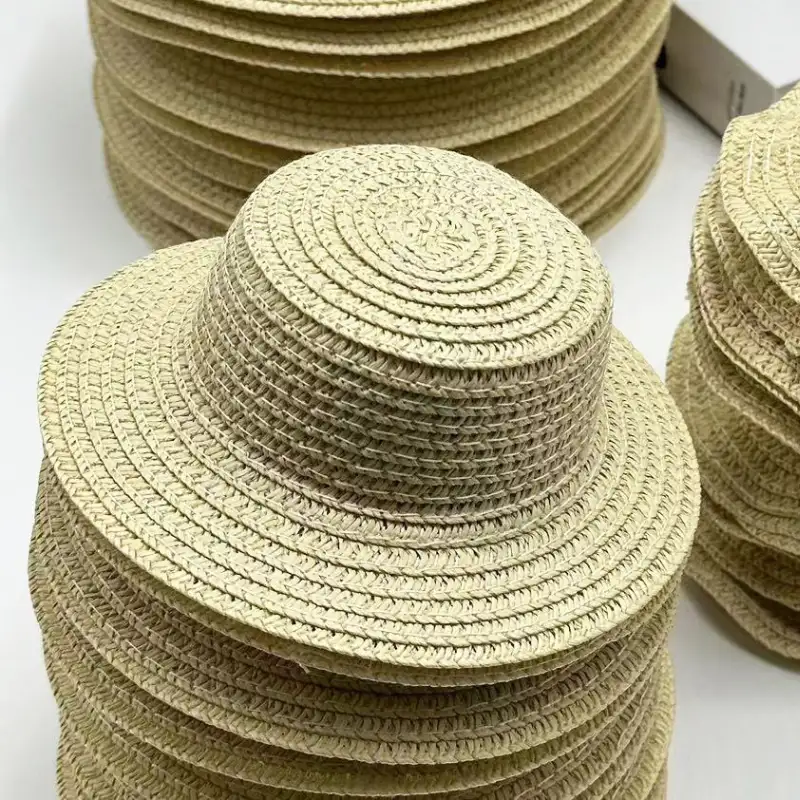
Paper straw is made by twisting or weaving strips of paper into a strong yarn or braid. The braid is then sewn in a spiral, or the yarn is woven, to form the hat. You may also see it called paper braid or toyo.
Strengths
- Light. A small paper straw hat can weigh as little as 10–20 g.
- Even color. Paper takes dye well, so pastel and bright shades are easy to produce and to repeat.
- Low cost. It is usually the most affordable option for large orders.
- Neat shapes. It can be pressed into clean crowns and brims, including very small sizes.
Limits
- It loses strength when it gets wet and can go out of shape.
- It is less durable than natural fibres under heavy use.
Paper straw is the right choice when you need many colors, a low unit cost or a small size. Most mini, doll and pet straw hats are made of it for exactly these reasons.
Wheat Straw
Wheat straw is the dried stalk of the wheat plant. The stalks are flattened, braided into long strips and sewn together. It is one of the oldest materials used for a straw hat.
Strengths
- Natural golden color. It has a warm shine that buyers recognise as “real straw”.
- Firm structure. It holds flat brims and sharp crowns well, which is why boaters and sombreros often use it.
- Natural material. It appeals to customers who prefer plant fibres.
Limits
- It is stiff, so it can crack if it is folded or crushed.
- Color varies from batch to batch, because it is a crop.
- It cannot be dyed as evenly as paper.
Our flat top natural wheat straw hat shows the typical look: a firm brim, a flat crown and a natural color finished with a ribbon band.
PP Straw
PP straw is not a plant fibre. It is made from polypropylene, a common plastic, which is extruded into flat yarn and woven or braided like straw.
Strengths
- Resists moisture. It does not soften in damp air or light rain.
- Keeps its shape. It does not crack like natural straw.
- Consistent. Color and thickness are the same across a whole order.
- Durable in small sizes. Tiny craft hats in PP survive handling well.
Limits
- It can look slightly glossy, which some buyers see as less natural.
- It is a plastic, so it does not suit brands that want natural fibres only.
- It should be kept away from high heat.
PP is a practical choice for beach hats, children’s hats and craft products that need to last.
Raffia
Raffia comes from the leaves of the raffia palm. The fibre is peeled, dried and then crocheted, braided or woven into hats, bags and mats.
Strengths
- Soft and flexible. Many raffia hats can be rolled or packed and still recover their shape.
- Premium look. The matte surface and slight variation in the fibre give a handmade feel.
- Comfortable. It sits softly on the head.
Limits
- It costs more, because the fibre and the hand work are more expensive.
- Color and thickness vary naturally.
- Production takes longer, especially for crocheted styles.
Raffia suits resort wear, boutique collections and any range where the customer pays for feel and finish.
Other Natural Straws You May See
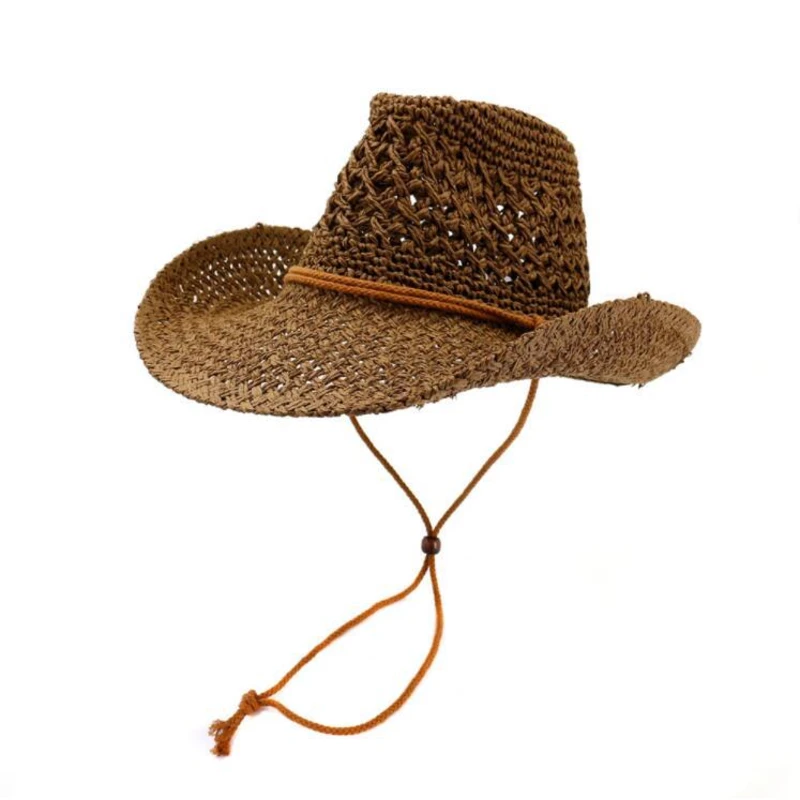
Factories also use natural grasses and other plant fibres, often simply described as “natural grass”. These sit between wheat straw and raffia in look and price. Our summer Panama straw hat is an example made from natural grass. If a listing does not name the material clearly, ask the supplier to state it in writing.
How to Choose the Right Material
Start with your customer and your price point, then work back to the material.
- Promotional or event hats: paper straw. Low cost, easy to brand, many colors.
- Mini, doll and pet hats: paper straw or PP. Light and neat in small sizes.
- Classic boaters and party sombreros: wheat straw. Firm shape and a traditional look.
- Beach and children’s hats: PP straw. Handles moisture and rough use.
- Premium fashion and resort ranges: raffia. Soft, packable and upmarket.
Party buyers can see how material choice works in practice in our mini sombrero buying guide, where wheat straw and fabric styles are compared.
Matching the Material to Your Market and Season
The same hat shape can sell very differently depending on where and when you sell it.
- Humid or rainy markets. Paper straw needs care in damp climates. PP or a natural straw is a safer choice for beachwear in these regions.
- Tourist and resort retail. Customers often buy a hat to pack in a suitcase. Flexible raffia and soft paper braid handle this better than stiff wheat straw.
- Events and promotions. The hat may be worn for one day. Low cost and fast delivery matter more than long life, so paper straw is usually the answer.
- Children, pets and toys. Light weight and smooth edges come first. Paper straw and PP are the usual choices.
Season matters as well. Straw hat orders for spring and summer are normally placed in the autumn and winter before. Ordering early gives you time to compare material samples side by side, which is the best way to choose.
How to request material samples
Ask the factory for the same hat shape in two or three materials, or for swatches of each braid. Put them next to each other, bend them gently, and weigh them. Five minutes with real samples tells you more than any description. Keep the approved sample, because it becomes the quality reference for the bulk order.
Cost Considerations
Material is only one part of the price. When you compare quotes, check these factors too:
- Weave or braid. A fine, tight weave uses more material and time than an open one.
- Hand work. Crochet and hand braiding cost more than machine sewing.
- Size. Wider brims use more material.
- Dyeing. Custom colors may need a minimum dye lot.
- Trim. Bands, bows, labels and linings add cost.
- Packing. Hats that nest ship cheaply. Hats that must keep a shaped crown need more carton space.
Ask every supplier to quote the same material, size and trim. Otherwise the prices cannot be compared.
Quality Checks for Each Material
| Material | What to check on the sample |
|---|---|
| Paper straw | Even color, no loose ends, firm shape, no damp smell |
| Wheat straw | No cracked stalks, even braid width, smooth brim edge |
| PP straw | No sharp ends, consistent gloss, shape recovers after pressing |
| Raffia | Even stitch tension, no thin patches, shape recovers after rolling |
For all materials, measure the head size and brim against your specification, and check that the sweatband and trims are stitched securely.
Care and Storage
- Keep all straw hats dry. Even PP hats may have trims that mark when wet.
- Store hats nested or on a shelf, never under heavy stock.
- Brush off dust with a soft brush. Do not machine wash.
- Keep natural straw away from strong direct heat, which can make it brittle.
Retailers can print these points on a hang tag. It reduces complaints and returns.
Common Mistakes When Buying Straw Hats
- Accepting “straw” as a description. Always ask which straw.
- Comparing prices across different materials. A raffia quote and a paper straw quote are not the same product.
- Ignoring shipping. Stiff wheat straw hats need careful packing. Ask how they will be nested and boxed.
- Choosing by photo. Material is felt, not seen. Order a sample.
- Forgetting branding. Not every logo method works on every straw. Our guide to custom hat logo options explains what works where.
Working With a Straw Hat Manufacturer
A good brief names the material, the weave, the size, the color and the trim. If you are not sure, send a reference photo and your target price, and ask the factory to suggest two material options with samples. Our checklist on how to choose a hat manufacturer in China lists the other points to confirm.
Hatazzle is the export brand of China Yiwu Jucong Hat Factory. We make straw hats in paper straw, wheat straw, natural grass and raffia, along with caps, bucket hats, pet hats and party hats, with samples in about 7–10 days and bulk production in 15–30 days.
Frequently Asked Questions
Paper straw is paper that has been twisted or woven into a strong yarn or braid and then shaped into a hat. It is light, even in color and low in cost.
No. Paper straw weakens when it gets wet and can lose its shape, so it should be kept dry.
Paper straw is a manufactured paper yarn that is smooth and low in cost. Raffia is a natural palm fibre that is softer, more flexible and more expensive.
It depends on the hat. Wheat straw is firmer and has a natural golden look, while paper straw is lighter, cheaper and available in more colors.
PP straw is a fibre made from polypropylene plastic. It looks like straw, resists moisture and holds its shape well.
Paper straw and PP hats nest tightly and resist minor knocks. Stiff wheat straw needs more careful packing to avoid cracks.
Yes. Common options are a woven label, a printed or woven ribbon band, a leather-look patch and a hang tag. The best method depends on the material.
At Hatazzle the MOQ is 100 pieces per style. Samples take about 7–10 days and bulk production 15–30 days.
Ask the supplier to name the material in the quotation, then order a sample and check the look, feel and weight yourself.
Start Your Custom Hat Order
Contact Hatazzle today for custom hat manufacturing, private label solutions, and wholesale hat production. Send us your style, sizes and quantity, and our team will reply with a quote and sample plan. Get a quote