When you start a hat brand, one of the first choices is how the hats will be made. Factories describe this with three terms: OEM, ODM and private label. Understanding OEM vs ODM hats helps you plan your budget, your launch date and who will own the design in the end.
The three terms are often mixed up, even by suppliers. Some factories call every custom order “OEM”. Others use “private label” for anything with your logo on it. The labels matter less than the questions behind them: who creates the design, who pays for development, how long it takes, and whether another brand could sell the same hat.
This guide explains each model in plain language, compares them in one table, and shows which model fits which kind of buyer. It also covers what you must send the factory for each route and the mistakes that cost new brands time and money. We wrote it for private label brands, retailers and promotional buyers who want to put their own name on hats.
Quick Answer: What Is the Difference Between OEM and ODM?
In OEM, you bring the design and the factory makes it to your specifications. In ODM, the factory brings an existing design, and you customize and brand it. Private label is a simpler form of ODM: you choose a ready-made hat and add your own label, logo and packaging. Gives you the most control and uniqueness; private label is the fastest and cheapest way to start.
OEM: You Design, the Factory Makes
OEM stands for original equipment manufacturer. In the hat business, it means the factory produces a hat that you designed. You provide the shape, materials, colors, sizes, logo placement and packaging, usually in a tech pack or a reference sample.
What you supply
- A design drawing or a physical reference sample.
- Measurements in centimeters: crown height, brim width, head size range.
- Material and color choices, with Pantone codes where possible.
- Logo artwork in vector format and placement details.
- Label, hang tag and packaging requirements.
Pros and cons
- Pros: a unique product, full control over every detail, and a design that belongs to your brand.
- Cons: longer development, more sample rounds, possible pattern or mold costs, and you must know what you want.
OEM suits brands with a clear design identity, such as fashion labels, sports brands and companies that need a hat to match an existing uniform or collection.
ODM: The Factory Designs, You Customize
ODM stands for original design manufacturer. The factory already has hat designs, patterns and materials. You choose one and change parts of it: color, fabric, trim, logo or a small shape detail. The factory’s development work is already done, so the process is faster.
What you supply
- The base style you picked from the factory’s range.
- Your changes: colors, fabric, trims, band or strap.
- Logo artwork and placement.
- Label and packaging details.
Pros and cons
- Pros: faster than OEM, lower development cost, proven shapes and fits.
- Cons: the base design is not exclusive unless agreed in writing, and large changes turn the job into OEM.
ODM suits retailers and growing brands who want a customized look without starting from a blank page. Many straw hat, bucket hat and mini hat buyers work this way.
Private Label: Ready-Made Hats With Your Brand
Private label products are made by one company and sold under another company’s brand. For hats, it usually means you select a ready-made style and the factory adds your woven label, hang tag, logo and retail packaging. The hat itself is not changed, or only changed in color.
Pros and cons
- Pros: the fastest route to market, the lowest risk, and often the lowest MOQ.
- Cons: other sellers may sell the same hat, so you compete on branding, service and price.
Private label suits online sellers, gift shops, pet stores and promotional buyers who need branded stock quickly, or new brands testing a market before investing in their own designs.
Comparison Table
| Factor | OEM | ODM | Private label |
|---|---|---|---|
| Who creates the design | You | Factory, customized by you | Factory |
| Uniqueness | High | Medium | Low |
| Development cost | Highest | Medium | Lowest |
| Sample rounds | Often 2–3 | Usually 1–2 | Usually 1 |
| Time to first shipment | Longest | Medium | Shortest |
| Typical MOQ | Per style, sometimes higher for new materials | Per style | Per style, often lowest |
| Design ownership | Your design, if agreed in writing | Shared unless agreed | Factory design |
| Best for | Established brands | Growing brands, retailers | New sellers, promotions |
Cost and Timeline by Model: A Practical Example
Here is how the three routes compare for one simple product: a cotton baseball cap with an embroidered front logo.
- Private label: you pick one of the factory’s existing caps and colors, send your logo, and choose a woven label and hang tag. One sample round is usually enough. The factory already knows the fit, the fabric and the pattern, so the order can move to production soon after the sample is approved.
- ODM: you start from the same cap but change the fabric to a washed cotton, add a contrast under-brim and a metal buckle closure. Each change needs to be checked, so you may need two sample rounds. The cost is a little higher because of the new materials, and the timeline grows by the extra sample round.
- OEM: you send your own design with a lower crown, a longer brim, a custom fabric and a printed inside tape. The factory makes a new pattern and may need to source new materials. Expect two or three sample rounds and the longest development time, but the result is a cap no one else has.
In all three cases, bulk production itself takes a similar time once the sample is approved: about 15–30 days at Hatazzle. The real difference is how long it takes to reach an approved sample.
Quality and Consistency Across Models
Quality does not depend on the model; it depends on clear standards. In every route, agree on these points in writing before production:
- The approved sample, with photos from several angles.
- Size tolerances, for example head size within plus or minus 0.5 cm.
- Color tolerance, ideally checked against a physical color card.
- Logo size, position and thread or print colors.
- Packing method, carton size and labeling.
With OEM, you are responsible for the design being right; the factory is responsible for making it as approved. With ODM and private label, the factory also stands behind the base design. Either way, a pre-shipment inspection is the best way to confirm the order matches the sample before it leaves the factory.
Who Owns the Design?
Ownership is the point buyers most often forget to agree. Keep these rules in mind:
- OEM: your design should stay yours. Put this in writing, and agree that the factory will not sell your design or use your logo for other customers.
- ODM: the base design belongs to the factory. Your changes and logo are yours. If you need exclusivity on a style or color, ask for it, and expect it to require a minimum quantity or a time limit.
- Private label: the hat design is the factory’s; your brand assets are yours.
Never let a factory register your brand name or logo. Register your own trademark in your selling markets before you launch.
How to Choose the Right Model
Answer these four questions:
- Do you already have a design? If yes, OEM. If not, start with ODM or private label.
- How soon must you sell? If within two or three months, private label or a simple ODM change is safest.
- How important is uniqueness? If customers buy for your design, choose OEM. If they buy for your brand, service or price, ODM or private label can work.
- What is your budget for development? OEM needs more sample rounds and sometimes molds. ODM and private label keep this cost low.
Many brands move through all three over time: they start with private label to test demand, switch to ODM to build a recognizable look, and add OEM designs for their best-selling lines.

Branding Options in Every Model
Whichever model you choose, branding is where your hat becomes yours. Common options include embroidery, printing, woven patches, leather or rubber patches, woven labels, printed ribbon bands on straw hats, hang tags and custom polybags or boxes. Our guide to custom hat logo options compares the main methods, and our article on straw hat materials helps if you are choosing between paper straw, wheat straw, PP and raffia.
Common Mistakes With OEM and ODM Orders
- Vague specifications. “Like this photo” is not a specification. Give measurements, materials and colors.
- Skipping the sample sign-off. Approve a final sample in writing and keep one; it is your quality reference.
- Assuming exclusivity. Unless it is written down, a factory may sell the same base style to others.
- Too many changes at once. Each change can add a sample round. Make decisions in one batch.
- Choosing a factory only on price. Check communication, sampling speed and quality control. Our guide on how to choose a hat manufacturer in China lists what to check.
Questions to Ask Any Factory Before You Choose
- Do you offer OEM, ODM and private label, and what is the MOQ for each?
- How many sample rounds are included in the sample fee?
- Will you sign an agreement not to sell my design or use my logo for others?
- Can I have exclusivity on a base style or color, and on what terms?
- Which logo, label and packaging options can you produce in-house?
- How do you keep the bulk order consistent with the approved sample?
The answers tell you quickly whether a supplier is a good fit for the route you have chosen.
How Hatazzle Works With Each Model
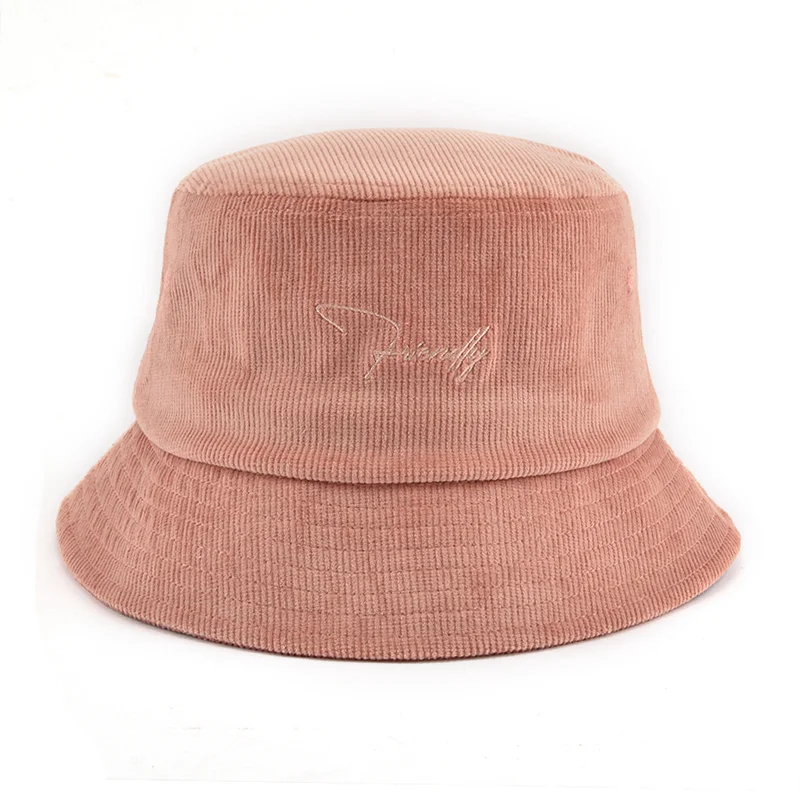
We work with all three routes. send us your drawing or reference sample and we develop it with you. ODM and private label, you can start from our existing range. For example, our summer Panama straw hat is often ordered with a custom printed band, and our corduroy bucket hat can be made in your colors with your logo. Our standard MOQ is 100 pcs per style, samples take about 7–10 days and bulk production about 15–30 days. You can read more on our OEM and ODM service page.
Frequently Asked Questions
With OEM, the factory makes a hat you designed. With ODM, the factory supplies an existing design that you customize and brand.
A ready-made hat produced by a factory and sold under your brand, with your label, logo, tags and packaging.
ODM is usually cheaper because the design, patterns and fit are already developed. OEM needs more sampling and sometimes new molds.
Private label is fastest, followed by ODM. OEM takes longer because of design development and extra sample rounds.
Your design should remain yours. Confirm in writing that the factory will not sell it or use your logo for other buyers.
Often yes, for a set time or quantity. Ask the factory and put the agreement in writing.
A drawing or reference sample, measurements, materials, colors with Pantone codes, logo artwork and packaging details.
It can be. New materials or custom colors in OEM may need a higher quantity. At Hatazzle the standard MOQ is 100 pcs per style.
Yes. Many brands test demand with private label, then develop their own designs for their best-selling lines.
Yes. We make hats to your design, customize our existing styles, and add your labels, tags and packaging.
Start Your Custom Hat Order
Contact Hatazzle today for custom hat manufacturing, private label solutions, and wholesale hat production. Send us your style, sizes and quantity, and our team will reply with a quote and sample plan. Get a quote